Why did my countertop crack or a seam open up?
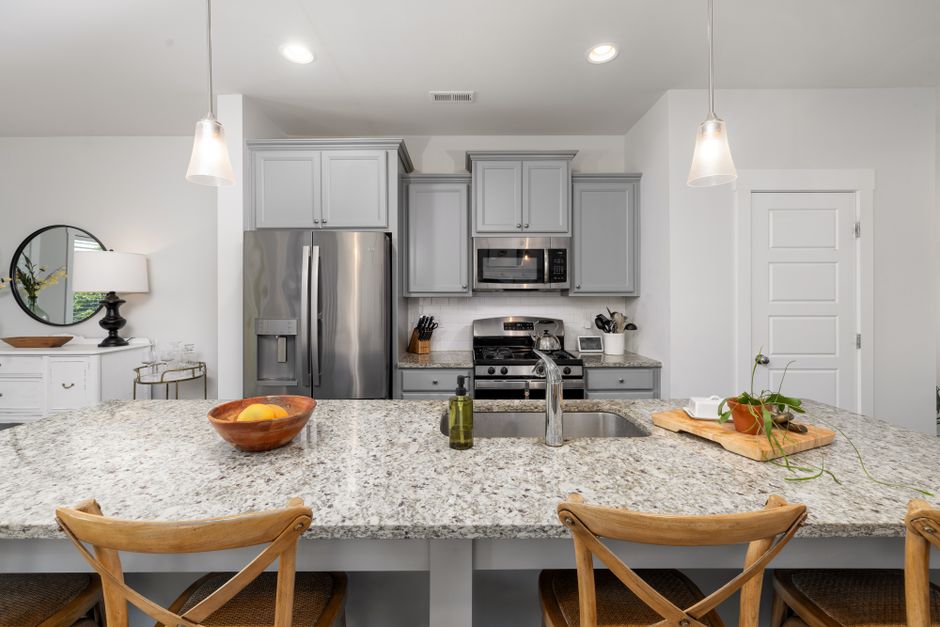
Nothing about a hairline crack in a countertop proves the foundation moved, and nothing about a clean seam proves the house is still, so the running record countertops tulsa aedreams holds starts with where the crack sits and what the cabinets are doing underneath. Across Tulsa, OK, the same pattern shows up on kitchens of every age, and the cause is rarely the first guess.
Clay Soil and Seasonal Movement
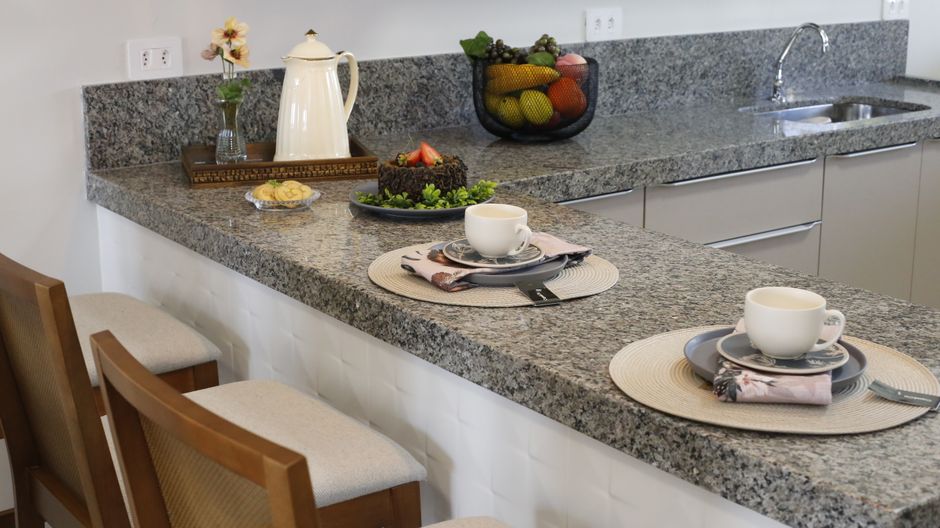
Clay swells as it absorbs water and shrinks as it dries. Around Tulsa County that can mean uneven movement in some foundations, wet spring then dry August. Cabinets follow the floor. Rigid stone does not flex to follow that change, so a granite or quartz top can end up carrying load it was never set to carry.
Where Cracks Start
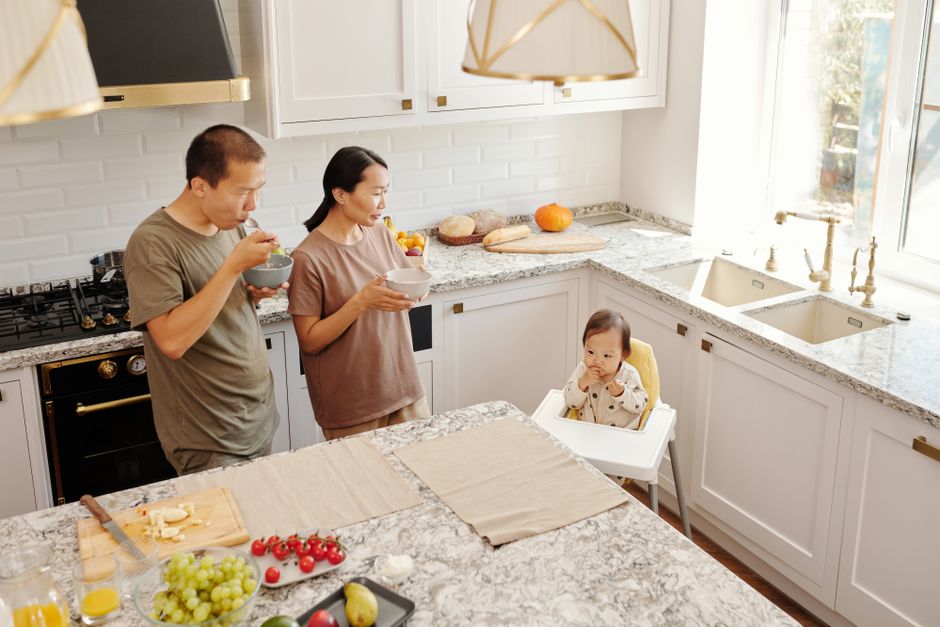
Narrow sections beside a sink or cooktop are the usual failure points, because little material remains around the cutout. Square inside corners concentrate stress, so fabricators generally round the corners of a cutout. A crack running from a sharp corner points to a template and cutting problem, not to the soil.
Support and Bridging
Uneven cabinet tops or thin support leave a slab bridging a gap. Weight or a hard knock on that span adds stress. Check with a straightedge across the cabinet run before the top goes on. Shims and a flat, level frame matter more than the edge profile, whether eased edge or bullnose, and a long overhang with no bracket makes it worse.
Fissures Are Not Always Cracks
Natural fissures are common in some stones, marble and quartzite included, and they are not the same as structural cracks. A qualified person should inspect the piece before it is labeled a defect. A fissure feels rough or glassy under a fingernail and does not move. A crack that grows, or that opens at a seam, needs a different answer.
Signs the House Is Moving
A new or growing gap, doors that begin to stick, and fresh wall cracks together can point to movement in the house. That gets evaluated before anyone repairs the top. Epoxy will close a crack but does not fix the cause of movement, and it will open again. Not every crack is the foundation, either.
Heat is the other cause worth ruling out. Rapid localized heating can damage some materials, and engineered quartz resin is particularly vulnerable to direct heat. A crack near the cooktop or beside a hot pan spot, with the doors and walls still fine, usually points there. Note the date, measure the gap with a feeler gauge, and measure again in a month.